


Destination Management for Sea Experiences in Kassandra
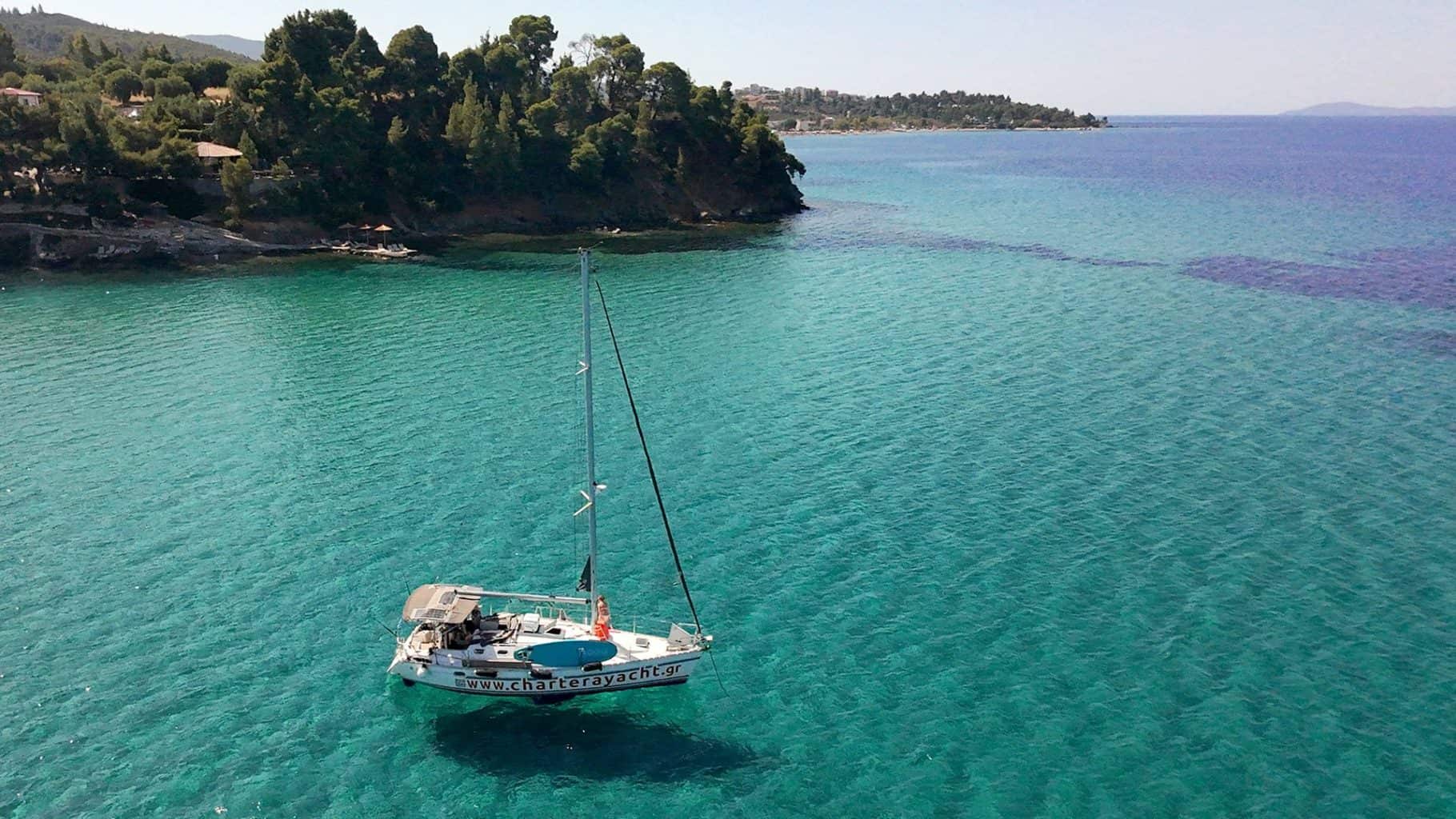
When an agency sells a sea experience in Kassandra, the risk is rarely the boat itself. The real risk is the last-minute change that hits your operations team at 18:30, while your guests are already in the lobby asking where to go. A missed pickup point, unclear meeting instructions, or a weather call that comes too late turns a simple add-on into a complaint chain. And once that happens, the guest doesn’t blame the supplier, they blame the package.
[after_first_paragraph]Operational Destination Management for Sea Experiences in Kassandra in 2026
The problem agencies face in Kassandra: sea activities look simple until they aren’t
Kassandra is easy to sell because the coastline is accessible, the resorts are dense, and the photos do the work. Operationally, it’s the opposite. Distances between hotels and embarkation points are short on a map, but traffic, resort access rules, and timing around meal plans can create real friction. Even a small mismatch between what was promised and what is feasible on the day can lead to refunds, chargebacks, or a partner losing confidence.
This happens more often in peak weeks, especially mid-June to mid-September, when demand is high and the margin for error is small. Guests want a smooth, guided feel, but they also expect freedom and spontaneity. That combination is where poor destination management shows up. One wrong assumption about wind, sea state, or local restrictions and the whole day shifts.
Why it happens: Kassandra’s operational realities that affect every sea booking
The first pressure point is weather, because it’s not just “sunny or not.” Wind direction and timing matter, and conditions can change between morning and late afternoon even when the forecast looks stable. If a supplier makes decisions without marine context, you get late cancellations or uncomfortable trips that trigger bad reviews. Agencies then spend hours explaining something they didn’t control.
The second pressure point is guest mix. In Kassandra you’ll see families with young children, couples on short stays, and groups who booked last minute at the reception desk. They don’t read long instructions, and they ask the same questions on repeat. If the supplier doesn’t have a tight process, those questions spill over to your team and to the hotel, and you end up doing support work you never planned to do.
A third issue is compliance and safety expectations from different markets. Some guests want to know about lifejackets and shade, others ask about insurance, toilets onboard, or whether they can swim far from the boat. These are normal questions, but vague answers create mistrust. Clear, consistent pre-trip information prevents most escalations, and that’s destination management, not marketing.
What a good inbound supplier provides (beyond a boat and a skipper)
For travel agencies, a reliable sea product is a system. You need predictable planning, clear communication, and an operator who protects your reputation even when the sea doesn’t cooperate. The supplier should help you sell the right experience to the right guest, not simply accept every booking and hope it works out.
- Operational clarity: confirmed meeting points, pickup logic, cut-off times, and what happens if a guest is late.
- Weather decision framework: when the call is made, who makes it, and what alternatives exist when conditions shift.
- Guest briefing consistency: what to bring, what’s included, and what’s not, written in a way guests actually follow.
- On-the-ground support: a reachable team before departure and during the trip window, not just an email address.
- Post-trip handling: quick incident reporting, lost-and-found process, and documentation when needed for claims.
Good suppliers also understand how agencies package. A sea trip might be an upsell, a honeymoon highlight, a family day out, or a “filler” on a short stay. Each one needs a slightly different promise. When a supplier helps you set the right expectation, your cancellation rate drops and your reviews stay stable.
How Porto Scuba runs destination management in Kassandra without drama
We approach Kassandra sea experiences like an inbound operation, not a standalone excursion. That means we build the day around hotel rhythms, resort access, and guest behavior, then we fit the route to the conditions. Our sailing and diving teams have been operating locally for decades, so we don’t rely on generic assumptions about “usual weather.” We also keep decision-making tight, because a late call is the most expensive call.
Weather is treated as a professional input, not a guess. A meteorologist with long service supports our planning, and a merchant marine captain is part of the team, so route choices and safety calls are grounded in seamanship and local knowledge. That doesn’t mean cancellations are frequent. It means when conditions change, we adjust early and communicate clearly, so your clients don’t feel like they were dragged into uncertainty.
We also keep the product structure clean for trade use. Shared sailing is designed to be easy to add to a package, while private options and bareboat charters are handled with proper screening. For agencies that sell across Greece, it helps that we also support bareboat sailboat charters in the Ionian Sea, Argosaronikos, and Halkidiki with Northern Sporades routes, so you can keep one operational relationship across regions. Trade terms are shared after registration, not on public pages, because that’s how professional distribution stays tidy.
Sea experiences in Kassandra that agencies can package with confidence
For Kassandra specifically, many partners start with short-duration sailing because it fits the typical resort stay. A 3-hour sunset product works well for couples and small groups who don’t want to commit a full day. The operational side is simpler too, because the timing is predictable and the guest expectation is clear. You can see the dedicated page for the sunset sailing 3 hours with Kassandra pickup (Chrousso, Paliouri) and evaluate it as a clean add-on.
For families and guests who want more swim time, a half-day format is often the sweet spot. It feels substantial, but it doesn’t steal the whole day from the resort, and it avoids the fatigue that sometimes shows up on longer trips in the heat. The 5-hour sailing day trip with Kassandra pickup is built around that reality, with a pace that works for mixed groups. If you’re comparing options for shared departures, the broader hub for trade partners is here: sailing trips in Halkidiki for travel agencies (3h and 5h shared).
[middle_of_the_post]Seasonality and client profiles: what actually sells in Kassandra
From late May, the demand starts to ramp up, with a noticeable jump around school holidays. July and August bring the highest volume, but also the most last-minute behavior, so cut-off times and clear instructions become critical. September is often the most comfortable month on the water, and it’s when couples and adult groups tend to spend more on “one special experience.” October can still work depending on conditions, but you need a supplier who won’t oversell it and then scramble.
Typical profiles we see through agency partners are consistent year after year. Families ask about shade, toilets, and how long kids can stay in the water without getting cold. Couples ask whether it feels private even on shared trips, what the music policy is, and if sunset timing is guaranteed. Groups ask about drinks, space, and whether they can connect their own playlist, and they’ll push for “just one more stop,” so your supplier must manage boundaries calmly.
Common questions come up in every market, including Israel and across the Balkans and Europe. Guests want to know if they can bring their own snacks, whether seasickness is likely, and what happens if the wind picks up. The best answer is not reassurance, it’s a process. When you can explain how decisions are made and what the alternatives are, guests relax and your reps stop firefighting.
Operational reassurance that matters to agencies and tour operators
You don’t need a supplier who says yes to everything. You need one who says yes only when it’s operationally sound, then delivers exactly what was promised. That includes realistic boarding times, accurate duration, and clear inclusions. It also includes a support channel that works when your office is closed and the guests are still on holiday.
We keep communication practical and short, because long messages don’t get read. Meeting instructions are written to be forwarded to guests and hotel reception without rewriting. If a change is needed, it’s communicated with enough time for you to protect the schedule of the day, not after guests have already dressed, skipped lunch, and waited in the sun. That’s the difference between an operator and a destination manager, even if the activity looks identical online.
send us an email at tours@portoscuba.com
call us: +306980700070
send a message via WhatsApp
send an SMS
call us on Skype
call or text us on Viber
send a message via Messenger
Don't forget to mention:
- Number of persons, possible dates
- The hotel you'll be staying
- The activity you are interested in
How to position Kassandra vs Sithonia in your packages
Agencies often ask whether they should sell Kassandra or Sithonia for sea experiences. The honest answer is that both work, but they serve slightly different logistics and guest expectations. Kassandra is strong for resort-based stays with tighter timing and easy pickup planning. Sithonia can fit guests who are willing to travel a bit more for a different coastline feel and longer swim windows.
If you already sell both peninsulas, it helps to have a consistent supplier approach across them. That way your team doesn’t relearn processes every time the hotel base changes. If you want the parallel destination management view for the other side, use our page on destination management for sea experiences in Sithonia to align your product logic.
When agencies brief guests, it also helps to anchor expectations using neutral references. For example, explaining that Halkidiki is a three-peninsula region and that Kassandra is the westernmost peninsula makes the geography easier to grasp for first-time visitors, and Wikipedia’s overview of Halkidiki is a simple reference your staff can use internally. For weather literacy, pointing out that the Meltemi wind pattern can affect Aegean conditions helps guests understand why timing and route choices matter, even on sunny days. And when guests ask about credibility, it’s fair to say you’re booking experiences in a region consistently reviewed by travelers, with broad context available on platforms like Tripadvisor’s Halkidiki travel section.
Practical checklist for agencies: what to confirm before you sell
This is the part that saves your operations team time. If you standardize these questions in your booking flow, most of the back-and-forth disappears, and your guests arrive calmer. It also helps you compare suppliers fairly, because you’re checking the system, not the brochure.
- Meeting point and pickup: exact location, landmark, and the latest recommended arrival time.
- Cut-off time for changes: when names, room numbers, or hotel changes must be submitted.
- Weather policy: when the go or no-go decision is made and what the guest is offered if conditions don’t allow the planned route.
- Guest suitability: minimum age guidance, swimming ability expectations, and what support exists for nervous swimmers.
- Inclusions and exclusions: drinks, snacks, snorkel masks, towels, and any cash needs.
- Onboard basics: shade, toilet availability, and storage for phones and valuables.
- Languages: what’s spoken onboard and how briefings are handled for mixed nationalities.
- Documentation: voucher format, emergency contact, and how incidents are recorded if something minor happens.
If you want a single entry point for cooperation, our partner overview is here: Travel Trade home. It’s written for agencies, tour operators, and DMCs that need an inbound supplier mindset, not a retail excursion desk. For anything sensitive like trade terms, we share details after partner registration, so you’re not dealing with public-rate confusion.
Register for travel trade access when you’re ready to build dependable sea add-ons
If you’re building or refreshing Halkidiki packages for 2026, trade access is the cleanest way to get accurate product details, operational notes, and the right contact flow for your team. Use the agencies-only page to request access here: register for travel trade access. Once you’re in, we’ll share the information you actually need to sell and operate confidently, without putting contract details on a public page.
[cta_contact] [bottom_of_the_post] Previous Post
 Next Post