


Destination Management for Sea Experiences in Sithonia
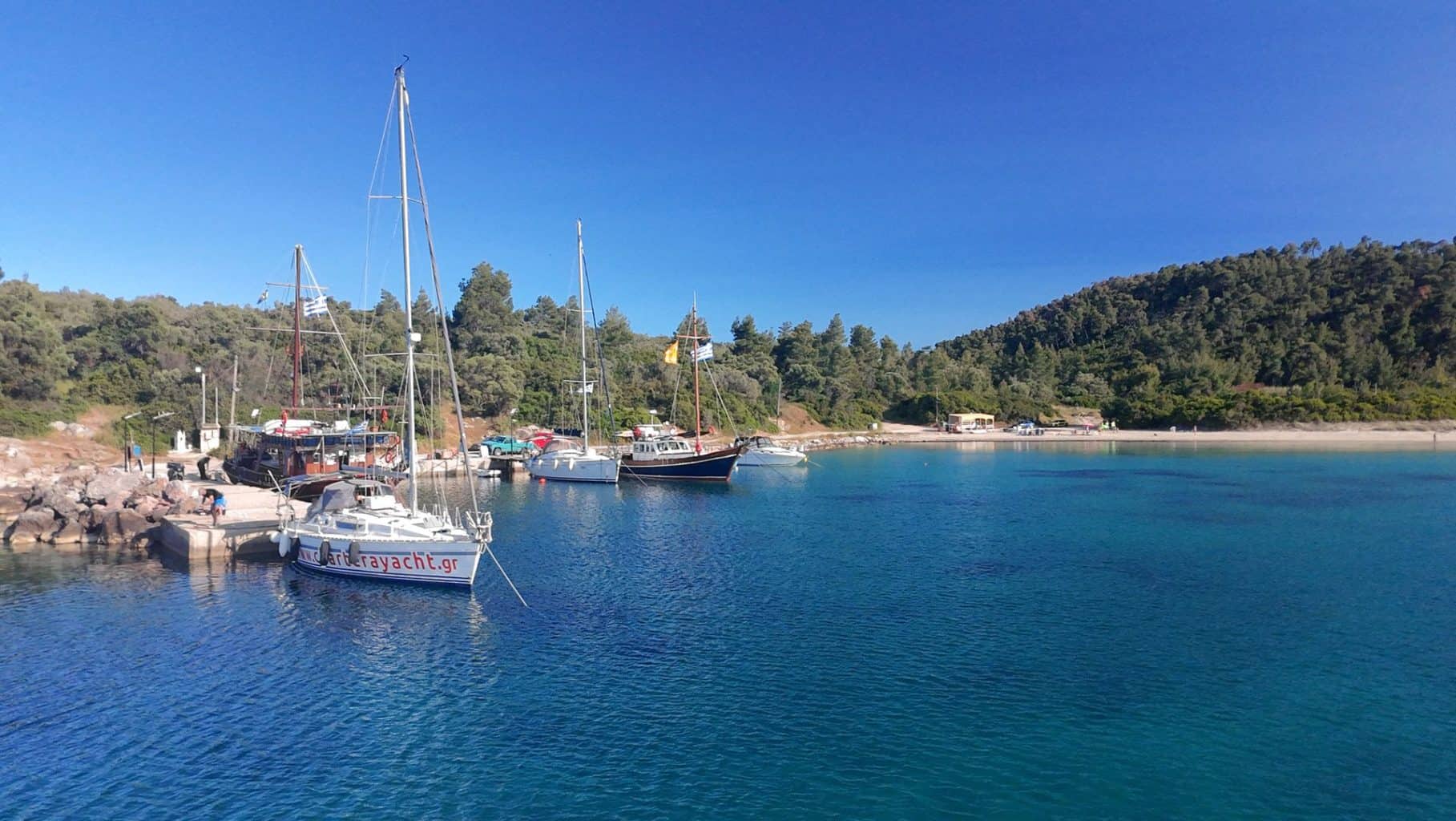
When a sea activity goes wrong in Halkidiki, it rarely fails because the boat is bad. It fails because the operational chain is weak: unclear pickup points, last-minute wind changes, mismatched client expectations, or a supplier who disappears when a guest misses the transfer. Travel agencies feel the damage fast, because the complaint lands on your desk, not on the skipper’s.
In Sithonia, the stakes are higher than most brochures admit. Distances between resorts and marinas are real, mobile signal can be patchy in parts, and the Aegean can switch mood within hours. If you package sailing or diving as a “simple add-on”, you end up firefighting on arrival day.
[after_first_paragraph]Destination management for sea experiences in Sithonia in 2026: what agencies need when operations get real
Why this problem happens in Sithonia (and why it keeps repeating)
Sithonia sells itself with calm bays and green coastline, but the operational environment is still the North Aegean. Wind, swell, and local sea state can change plans quickly, even on days that look fine from the hotel terrace. If a supplier doesn’t manage expectations and alternatives, guests feel “cancelled” rather than “protected”, and that wording matters in reviews.
Seasonality adds pressure. From mid-June to early September, shared trips can fill fast, marinas get busy, and road traffic around Neos Marmaras and Nikiti slows down. In shoulder months, demand is lighter but weather variability is higher, so decisions need to be earlier and better explained. It’s easy to see how a small timing error becomes a missed departure and an angry family.
Client profiles also shape risk. Families want shade, safe swim stops, and clear timing because kids melt down on delays. Couples want privacy and “no crowds”, but they still expect professional handling if the plan changes. Groups and incentive clients care about punctuality and coordination, because one late minibus can derail the whole day, and someone will blame the agency.
To ground expectations, we often point partners to neutral references about the area and conditions, like the general context on Sithonia and the broader setting of the Aegean Sea. It helps clients understand that “seamless” still needs real seamanship and planning. That small bit of education prevents a lot of avoidable friction, honestly.
What a good sea-experience supplier must provide to travel trade
A supplier for agencies is not just a boat with a captain. It’s a destination operation that protects your package reputation, especially when conditions change and guests are already in resort mode. The difference shows in the details: response time, documentation, clear meeting points, and a calm Plan B that feels like part of the product.
Operational reliability you can sell without overpromising
You need accurate pickup instructions, realistic duration, and a route that matches the guest profile. You also need a supplier who can say “no” when it’s unsafe, and can explain that decision in plain language your clients accept. If the supplier tries to “push through” for revenue, you’re the one left with the consequences.
Weather handling is where professionalism becomes visible. A proper supplier monitors forecasts, checks local observations, and makes go or no-go calls early enough for agencies to adjust transfers and guest messaging. It’s not about perfect weather, it’s about predictable decisions and clean communication.
Guest experience standards that reduce complaints
Most complaints in Halkidiki sea activities are not about the sea. They are about confusion, waiting, lack of shade, unclear inclusions, or a mismatch between “sailing” and “party cruise” expectations. A supplier has to run a consistent onboard brief, set rules for swim stops, and keep the day flowing so guests feel looked after.
It also matters how a supplier handles mixed nationalities and languages. Balkan and Central European guests often ask direct timing questions and want clear instructions. Israeli guests usually ask about safety, sea conditions, and what happens if the wind changes. West European guests often focus on sustainability and authenticity, and they notice if a stop feels rushed.
Trade-ready support, not just a WhatsApp number
Agencies need pre-arrival support for planning and selling, and on-the-day support when something shifts. That includes fast confirmations, passenger list handling, and a clear escalation path if a guest is late or a transfer is delayed. It also includes post-trip support when you need a captain’s note, a timing confirmation, or clarity for a claim.
Trade terms should be handled properly too. Net rates, commissions, and contract details do not belong on public pages. They should be shared after partner registration and validation, so everyone is protected and the process stays clean.
How Porto Scuba covers Sithonia sea operations without drama
We work as an inbound operator in Halkidiki with day sailing trips and scuba diving experiences, plus bareboat charters in the Ionian, Argosaronikos, and the Halkidiki and Northern Sporades area. For agencies, that means one operational style across multiple products: structured, documented, and calm under pressure. The goal is simple: fewer surprises for your clients and fewer late-night calls for your team.
Our on-water decisions are supported by real expertise, not guesswork. A professional meteorologist is part of the team, with decades of service, and we also have a professional merchant marine captain involved in operational standards. That shows up in conservative routing when needed, sensible swim-stop selection, and early communication when conditions suggest changes.
We also know the marinas and the real timing between resort zones and departure points, because we’ve been handling charter and skipper operations in the area for more than 20 years. That local knowledge matters when a bus runs late or a guest is at the wrong pier. It’s not glamorous, but it’s what saves a day.
send us an email at tours@portoscuba.com
call us: +306980700070
send a message via WhatsApp
send an SMS
call us on Skype
call or text us on Viber
send a message via Messenger
Don't forget to mention:
- Number of persons, possible dates
- The hotel you'll be staying
- The activity you are interested in
Products agencies typically package in Sithonia
For trade partners, the most common fit is a shared sailing experience with clear timing and a simple guest promise. If you need a proven starting point, the services hub for agencies is here: Sailing trips in Halkidiki for travel agencies (3h and 5h shared). It helps you match duration to client energy level and transfer reality.
For Sithonia specifically, the 5-hour format with pickup from Neos Marmaras is often the best balance between “feels like a real sea day” and “doesn’t exhaust families”. Details for planning are here: Sailing day trip 5 hours Sithonia pickup Neos Marmaras. Agencies like it because it fits into a standard resort week without stealing the whole day.
If you’re also building programs on the other side of Halkidiki, it’s useful to compare operational approach and meeting logistics. The Kassandra destination management page is here: Destination management for sea experiences in Kassandra. Many partners sell both peninsulas, and consistency helps their teams a lot.
Seasonality and what we recommend agencies actually sell
From late May to mid-June, couples and active travelers dominate. It’s a great time for sailing and diving, but you need flexible messaging because weather can shift quicker than in peak summer. From mid-June to early September, families and mixed groups take over, and the operational focus becomes punctuality, shade, hydration, and calm swim stops.
September stays strong for adults and repeaters, and the sea is often still warm. October can work for private trips and special groups, but you should sell it as “weather-dependent by design”, not as guaranteed summer conditions. When agencies position it honestly, guests are relaxed even if a route changes.
Common guest questions come up every week, so we prep partners with clean answers. People ask if they will get seasick, whether kids can swim, what happens if the wind rises, and if the boat is crowded. They also ask about toilets, shade, and whether they can bring their own drinks, and yes, it sounds basic, but basic is what creates reviews.
[middle_of_the_post]Operational reassurance: how changes are handled on the day
No supplier can control the sea, but a good operator controls the process. When conditions require adjustments, the key is speed and clarity: what changes, why, and what stays the same. Guests accept a lot when the explanation is calm and consistent.
We use structured decision-making around forecast trends, local observations, and the actual sea state near the route. If we need to change a swim stop, adjust timing, or move departure slightly, agencies get the message early enough to update their clients. That reduces the classic “we were told one thing” conflict that poisons a holiday mood.
For agencies, the most important part is that support doesn’t end at departure. If a guest misses pickup, we help trace what happened and what options exist. If a family is anxious, we prefer a short, clear call over ten messages that create confusion, even if it takes a bit more time.
If you want third-party reassurance for clients who research everything, it can help to reference broad safety and seamanship context, like the overview of the Beaufort scale when explaining wind strength in a simple way. For general destination confidence, many agencies also link clients to destination reviews on Tripadvisor’s Halkidiki page, which sets realistic expectations about distances and transport. It keeps the conversation grounded, not salesy.
Practical checklist for agencies packaging Sithonia sea activities
Before you add a sea experience to a package, align the operational details like you would for a flight or a transfer. It prevents 90 percent of the issues we see each summer, and it makes your sales team more confident. Use this as a working checklist when building your Halkidiki program.
- Confirm the exact resort area and the realistic transfer time to the departure point, especially around Neos Marmaras and Nikiti.
- Match the trip duration to the guest profile: families usually do better on structured 3 to 5 hour formats, while adults may prefer longer private options.
- Set clear expectations about weather flexibility: route and swim stops may change for comfort and safety.
- Collect essentials at booking: full names, ages for minors, a reachable phone number, and any medical notes relevant to sea activities.
- Pre-answer the top questions: toilet onboard, shade, swim ladder, seasickness tips, and what to bring.
- Define the communication path: who the guest calls on the day, and who your staff contacts for operational updates.
Common friction points and how to avoid them
The most common friction point is the meeting point. “At the port” is not a meeting point, and it creates panic when there are multiple piers and similar-looking boats. Always send a pin, a written description, and a photo reference if available, and keep the meeting time conservative.
The second friction point is expectations about “sailing”. Some guests imagine full sails and silence, others expect music and a floating bar. Make sure your description matches the actual vibe, and if you need help wording it for different markets, we can provide partner-ready text that doesn’t oversell.
The third friction point is late changes communicated too late. If a supplier waits until the last minute to decide, agencies can’t adjust transfers, and guests feel pushed around. We prefer early calls that may feel conservative, because they protect the day and protect your team’s time, too.
Where to start as a travel trade partner
If you’re building or refreshing your Halkidiki activities portfolio, start from the trade overview so your team sees the full operational map. The Travel Trade home is here: Incoming activity supplier for Halkidiki travel trade. It gives you a clear view of what can be combined and how we support agencies before, during, and after service.
Trade terms are shared after registration and partner validation, not on public pages. That keeps your contracting clean and avoids confusion across markets. If you’d like access, use the registration page here: Register for travel trade access (agencies only).
If you prefer to speak first and align on client profiles, hotels, and weekly flow, [cta_contact]. We can recommend which formats work best for your markets and which days usually run smoother based on real traffic and marina patterns, not guesses. That small planning step saves a lot of stress later, and it makes the sea day feel effortless for guests, even when the sea isn’t.
[bottom_of_the_post] Previous Post
 Next Post