


Plug‑and‑Play Sea Activities for Travel Agencies Selling Greece
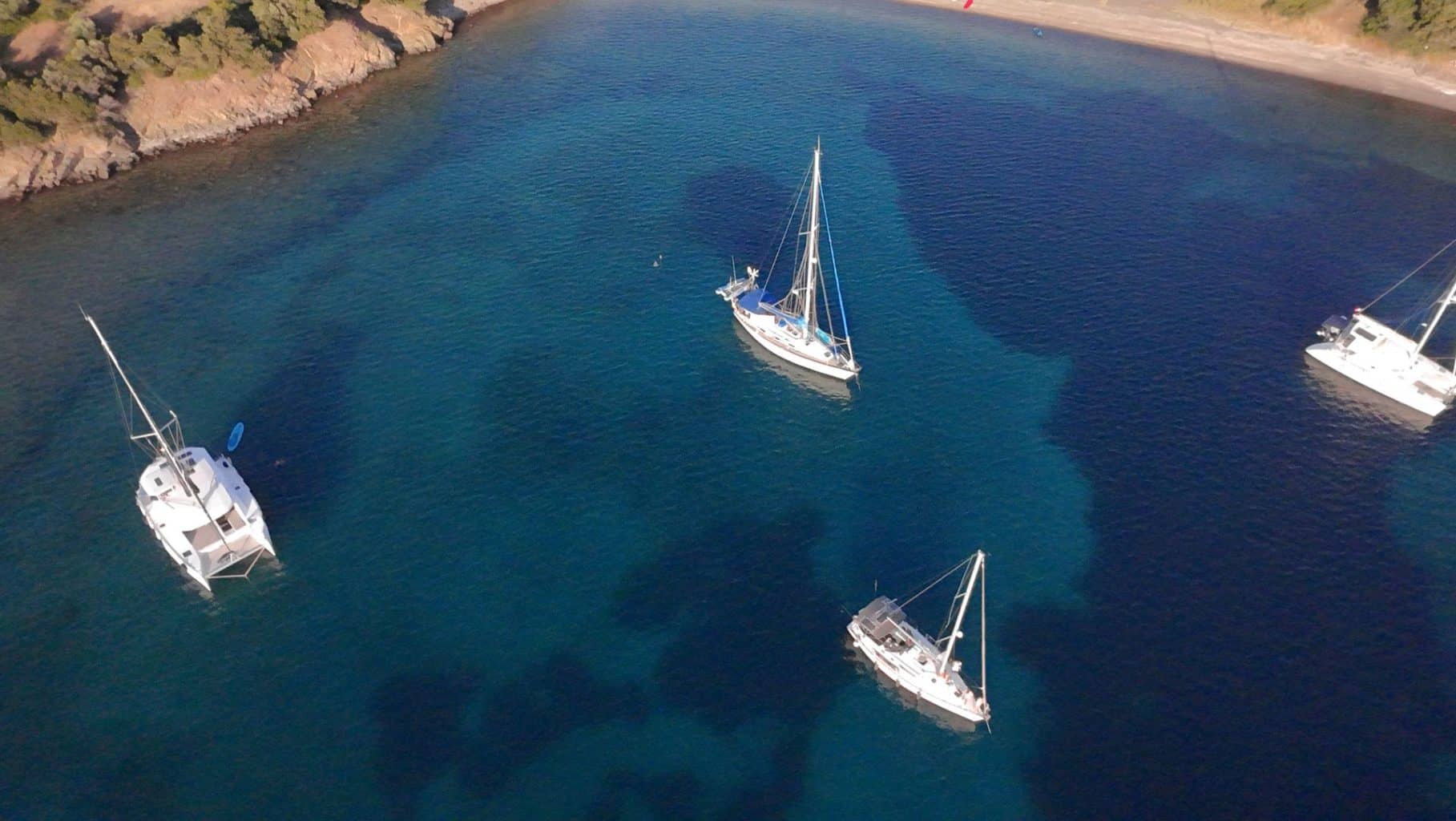
When a client arrives in Halkidiki and asks, “What can we do tomorrow on the sea?”, many packages suddenly feel thin. Agencies end up chasing availability, translating safety rules, and guessing whether the wind will cancel the plan. If anything changes, the complaint lands on your desk, even when the supplier caused it. That pressure is real, especially in peak weeks when everything looks “available” until you try to confirm.
[after_first_paragraph]Operational-ready sea activities in Halkidiki for 2026 departures
Why this problem keeps happening (and why it’s not your fault)
Sea activities fail at the handover points: unclear meeting instructions, vague cancellation logic, and suppliers who answer late or only in one language. On paper, a “boat trip” is simple, but in practice it’s weather-dependent, guest-dependent, and port-dependent. A family with kids needs shade, toilets, and calm bays, while a young group wants time to swim and a clear vibe. When the supplier doesn’t separate these profiles, your itinerary becomes a gamble.
Halkidiki also has micro-conditions that surprise non-local operators. A day can start flat and end with uncomfortable chop, especially around open stretches between peninsulas. That’s why dependable operations lean on real forecasting, not just a quick look at an app. If you need an objective reference, even the general context on the Halkidiki peninsula helps explain why routes and shelter matter.
What a “plug-and-play” supplier should actually provide
A sellable experience isn’t only the activity. It’s the full operational wrapper that lets your consultants confirm fast, brief clients clearly, and sleep at night when the sea changes mood. The best suppliers behave like an extension of your ops team, not a last-minute vendor. They keep things boring in the best way, with consistent processes and documented answers.
Here’s what experienced travel trade teams usually need from a sea-activity supplier:
- Fast confirmation and realistic capacity, including cut-off times and peak-day rules.
- Clear meeting points with map links, parking notes, and arrival buffer times that work in July traffic.
- Safety and compliance basics explained in plain language: lifejackets, briefings, child policies, and crew roles.
- Weather decision logic that’s consistent, with options for reschedule or refund depending on the case.
- Guest-ready content: inclusions, what to bring, and what’s not allowed, so your vouchers don’t create surprises.
Seasonality is part of that wrapper too. In Halkidiki, most sea activities sell strongly from late May through September, with shoulder weeks often giving the best comfort and photos. The client profile shifts by month: June families and couples, July and August high-volume mixed groups, September more adults and repeat Greece travellers. If the supplier can’t advise what fits which week, you’ll feel it in reviews and rebookings.
How Porto Scuba supports agencies without adding friction
You need a partner that can handle the details quietly: the call that comes in at 19:30 about tomorrow’s pickup, the guest who forgot a passport, the family that needs an earlier return because the baby is done. That’s where experience shows. We run day sailboat trips and scuba diving activities in Halkidiki, and we also support bareboat sailboat charters in the Ionian, Argosaronikos, and Halkidiki and Northern Sporades areas. The point for trade is simple: one operational mindset across different products, with consistent communications.
Our sea-day products are built for incoming tourism workflows. Shared sailing trips are structured in clear durations, typically 3-hour and 5-hour formats, so you can slot them into arrival days or full-day beach schedules. Diving is handled with the same discipline, with realistic prerequisites, timeframes, and what a non-diver companion can do while the diver is in the water. We keep the briefings practical, because guests don’t read long texts, even when you send them twice.
You’ll also want reassurance about weather calls, because that’s where disputes start. We don’t treat weather as a marketing line. A professional meteorologist is part of the team, and we use that expertise to reduce cancellations and avoid uncomfortable trips that produce bad feedback. A merchant marine captain is also part of the team, so decisions are operational, not emotional. Guests feel the difference when the crew explains the plan calmly, even if it changes a little.
send us an email at tours@portoscuba.com
call us: +306980700070
send a message via WhatsApp
send an SMS
call us on Skype
call or text us on Viber
send a message via Messenger
Don't forget to mention:
- Number of persons, possible dates
- The hotel you'll be staying
- The activity you are interested in
Products that fit into packages without rewriting your itinerary
If you sell Halkidiki as a beach base with optional experiences, you need activities that don’t require a full re-plan. Our shared sailing trips are designed for that. They work for families, couples, and small groups because they’re paced and not aggressive, with time for swimming and a simple flow from boarding to return. For agencies, that means fewer questions and fewer “it wasn’t what we expected” calls.
Scuba and intro diving fit a different guest story. It sells well to couples and friend groups who want a signature moment, and to repeat Greece travellers looking for something beyond sunbeds. The key is setting expectations early: duration, medical declarations, and what “beginner-friendly” really means. For general diving context that clients recognize, even a neutral reference like scuba diving basics helps frame it, but your supplier must still provide the exact local rules and schedule.
Trade-first support before, during, and after the activity
Before the activity, we help your team sell the right fit, not just the available slot. That includes simple guidance on which trip suits which client profile, and what’s realistic for transfers and meal times. During the activity, we keep comms clean, so you don’t get five different versions of the meeting point from five different guests. After the activity, we close the loop when something needs documenting, because that’s what protects your brand.
Operationally, we also understand that agencies work across time zones and languages. Your consultant in Belgrade or Tel Aviv needs the same clarity as your rep in Thessaloniki. That’s why we focus on short, copy-pasteable answers that your team can reuse without rewriting. It sounds small, but it saves hours every week, and it reduces mistakes.
[middle_of_the_post]Real-world questions your clients ask (and how to answer them cleanly)
Most client questions are predictable, and if you answer them in the voucher, you prevent 80% of last-minute messages. The rest are edge cases, and that’s where a supplier with calm operations matters. In Halkidiki, the common questions cluster around comfort, safety, and timing. They’re not trying to be difficult, they just don’t want a ruined day.
Here are the questions we see every season, with the operational angle agencies should cover:
- “Will it be rough?” Explain that routes are planned with shelter in mind, and that changes happen for comfort and safety when needed.
- “Is it suitable for kids?” Confirm age guidance, lifejacket availability, shade, and toilet access depending on the trip type.
- “What if the weather changes?” State the decision point, the communication channel, and the reschedule logic.
- “What should we bring?” Keep it basic: sun protection, towel, light jacket on windy days, and any required documents for diving.
- “Can we do it if we don’t swim well?” Clarify flotation, supervised swim stops, and what non-swimmers can still enjoy onboard.
For weather reassurance, it helps to reference a neutral public source so clients understand it’s not arbitrary. Many travellers already check meteo.gr or similar sites. The important part is that your supplier makes the final call based on local conditions and safe seamanship, not on what a single icon shows at noon.
Where these activities fit best in a Halkidiki program
Shared sailing trips are easiest to place on day two or three, once guests have slept and understand the area. They also work well on a “free day” between excursions, because they feel relaxing but still special. If you have clients staying on different peninsulas, meeting-point logistics matter, so you’ll want a supplier that gives realistic arrival times and doesn’t pretend that summer traffic doesn’t exist. Small delays happen, and the operation should handle them like adults.
Scuba is best when clients have stable plans for the next 24 hours. Intro experiences and guided dives need punctual arrivals and calm attention, so it’s not ideal on the same day as a late airport landing. For travellers who want a light activity, snorkeling-style swim stops during sailing can be a better match. If you’re building a premium week, combining one sailing day with one diving day creates a balanced sea story without exhausting the guest.
Internal resources for agencies that need quick product clarity
If your team needs a single place to start, use our travel trade overview and route your questions through one operational channel. You’ll find the partner-focused entry point here: Travel Trade home. For shared sailing formats that fit most packages, this hub helps you pick the right duration: Services hub. It’s written to support sales conversations, not to impress anyone.
Practical checklist for agencies before you put a sea activity on sale
A smooth season comes from small checks done early, especially when multiple agencies sell the same departure. You don’t need a 10-page SOP, but you do need consistency across your consultants and reps. When your team uses the same language, clients trust it, and complaints drop. It also makes your post-sale support faster, because you aren’t decoding what was promised.
Use this checklist internally before publishing the activity in your package builder:
- Confirm the client profile: families, couples, mixed groups, or active travellers, and match it to the right product.
- Lock the logistics: meeting point, parking, arrival buffer, and transfer feasibility from the client’s hotel area.
- Send a guest-ready brief: what to bring, what’s included, and timing, in the same format every time.
- Set the weather expectation: explain that routes can change and define what happens in a cancellation scenario.
- For diving, pre-check constraints: basic medical declarations, age guidance, and any no-fly timing if relevant to their trip.
- Keep an escalation path: one contact method for day-of issues, and one for admin questions like invoices and names.
If you want, we’ll share a clean voucher text template your team can reuse across languages. It reduces back-and-forth and keeps your brand voice consistent, even when different consultants handle the same destination. [cta_contact] We’ll tailor it to your typical markets and the way you deliver documents.
Trade terms, registration, and how to get access
Public pages aren’t the place for net rates or contract details, and you shouldn’t expect serious suppliers to post them. Trade terms are shared after registration, once we know your agency profile and the way you sell Greece. That protects your margins and keeps the process clean for everyone. It also prevents misunderstandings when a retail guest finds a trade-only condition and argues about it at check-in, which happens more often than people admit.
To request travel trade access and receive the operational pack, register here: Trade access. Once you’re in, we’ll confirm the right products for your Halkidiki programs, share sellable descriptions, and align on support during the season. If you’re building packages across regions, we can also discuss bareboat charter support in the Ionian, Argosaronikos, and the Northern Sporades, with the same disciplined approach to planning and safety.
[bottom_of_the_post] Previous Post
 Next Post